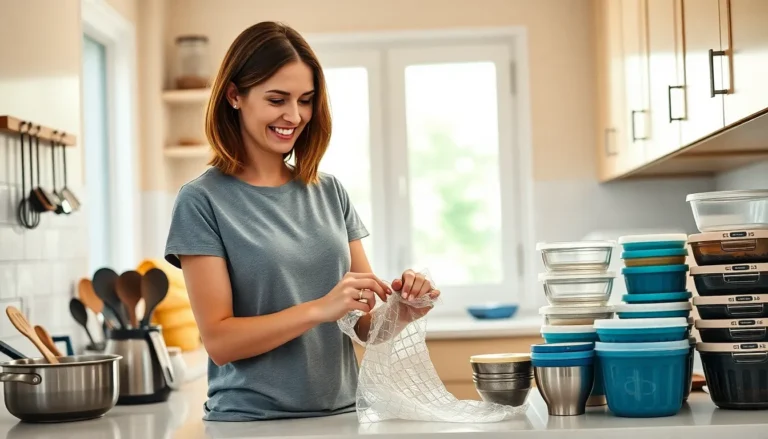
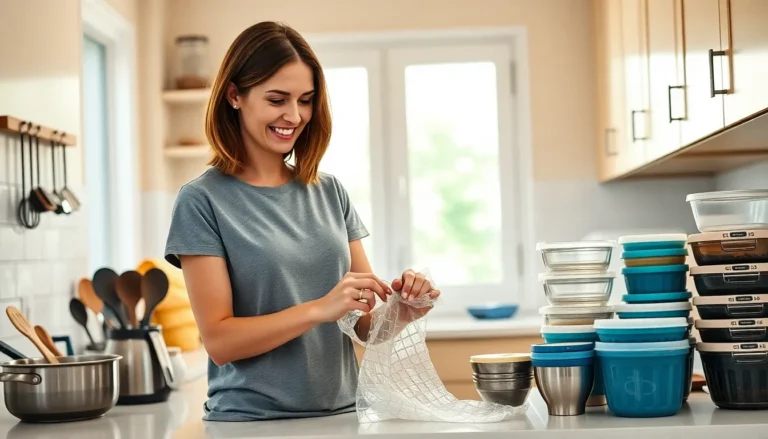
Packing up a kitchen can feel like trying to solve a puzzle with missing pieces. One moment you’re wrestling with a stubborn frying pan, and the next, you’re contemplating the existential crisis of where to put those oddly shaped measuring cups. But fear not—there’s a treasure trove of kitchen packing hacks that can turn this daunting task into a breeze.
Essential Kitchen Packing Hacks
Packing a kitchen doesn’t have to feel overwhelming. Several hacks can simplify the process significantly.
Organizing Your Cooking Utensils
Use drawer organizers or cutlery trays for utensils. They maximize space and keep items in order. Group similar utensils together to streamline finding them later. Place larger utensils, like spatulas and ladles, in designated containers to avoid damage. Design sturdy containers, like boxes or bins, for easy transport. Label each container for quick identification. Consider using an empty egg carton for small items, such as measuring spoons. Efficient organization can save time during unpacking.
Protecting Fragile Items
Wrap fragile items in bubble wrap or kitchen towels for additional padding. Tape down lids on containers to prevent spills. Line boxes with soft materials to absorb shock. Place heavier items at the bottom of boxes and lighter items on top to maintain balance. Ensure glassware and ceramics are snugly packed to minimize movement. Use dividers or cardboard sections to separate items, such as glasses or dishes. Following these tips reinforces the safety of breakable kitchenware during transit.
Packing Food Items Efficiently
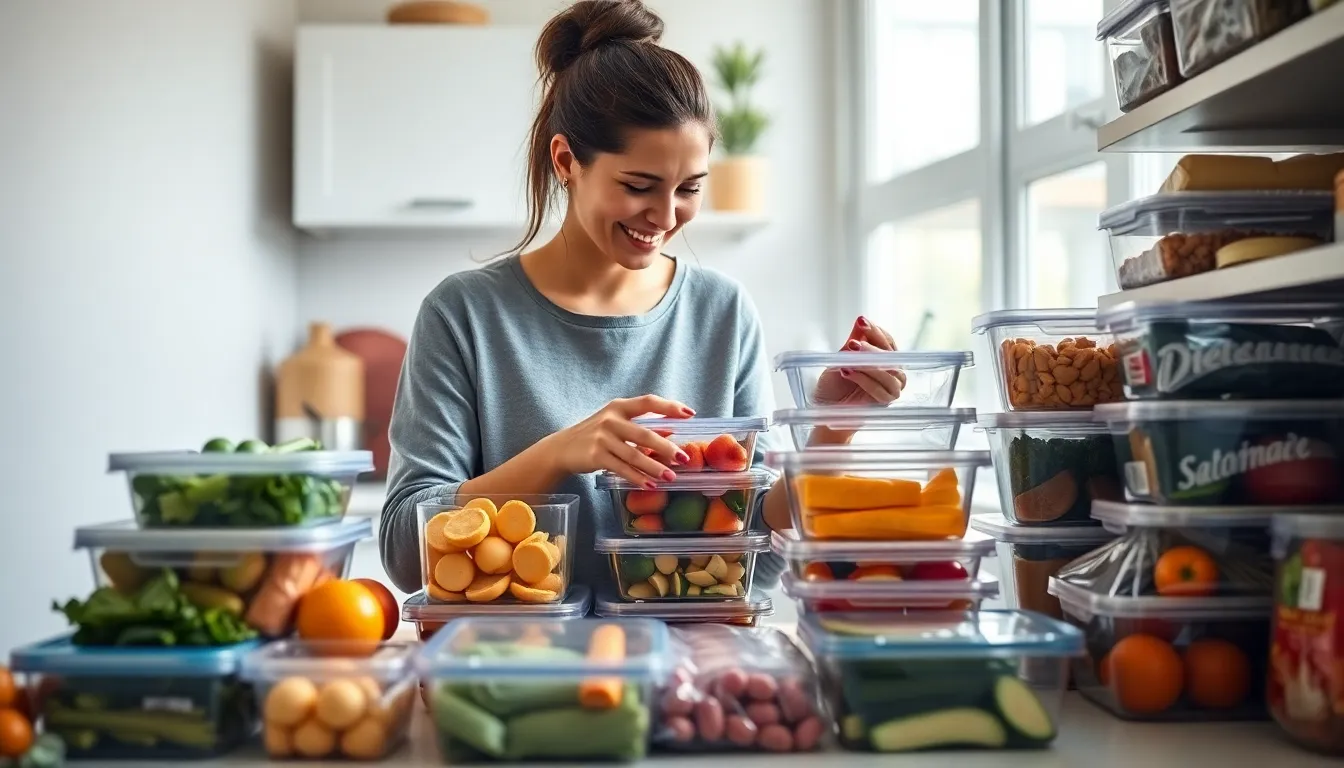
Packing food items efficiently reduces stress during a move. Proper techniques maintain freshness and save space.
Using Storage Containers
Choose sturdy, stackable storage containers for optimal organization. Different sizes suit various items, from grains to snacks. Label containers clearly to streamline the unpacking process. Prioritize air-tight seals for perishable goods, preventing spoilage. Utilize clear bins to easily identify contents without opening them. Group similar food items together, such as canned goods or baking supplies, for quick access. Minimize wasted space by nesting smaller containers within larger ones.
Vacuum Sealing Techniques
Vacuum sealing preserves food freshness and reduces storage space. Start by removing air from bags to prevent freezer burn. Separate items into servings, making meal prep more manageable. Use vacuum sealers for items like meats, vegetables, or pre-prepped meals. Label sealed bags with dates to track freshness easily. Store bags flat in the freezer to optimize space. While vacuum sealing works wonders for food, it also protects fragile items during packing.
Tips for Packing Appliances
Packing appliances requires careful attention to ensure they arrive safely at their new destination. Effective packing techniques streamline the process and protect valuable items.
Disassembling Large Appliances
Large appliances often occupy significant space and are challenging to move. Removing any detachable parts is essential to simplify packing. Pull out shelves, trays, or any components that can detach easily. Safely store these items in labeled bags for easy retrieval later. Wrapping each appliance securely in moving blankets protects surfaces from scratches. Taping doors shut prevents unexpected openings during transport. If possible, secure any internal components, such as water lines or filters, to avoid damage. These steps not only make moving easier, but they also enhance safety during the transition.
Securing Cords and Accessories
Tangled cords can complicate the unpacking process. Gathering each cord and accessory separately saves time and frustration. Using cable ties keeps cords organized and prevents knots. Labeling each cord with its corresponding appliance simplifies reassembly. For small accessories, place them in plastic bags and attach them to the main appliance. This method ensures that all related items stay together. Protecting cords with bubble wrap or placed in specific sections of your moving box helps avoid damage during the move. Following these strategies facilitates a smoother unpacking experience and maintains appliance integrity.
Eco-Friendly Packing Solutions
Opting for eco-friendly packing solutions reduces waste and promotes sustainability. Reusable containers serve as an excellent alternative to conventional boxes. Individuals can repurpose items like plastic bins and glass jars for packing kitchen essentials.
Biodegradable packing materials, such as cornstarch peanuts, offer a natural cushioning option. These materials break down easily and keep fragile items secure during transit. Crafting protective wrap from old newspapers or fabric scraps contributes to reducing single-use plastics.
Utilizing compostable packing tape ensures that all materials used remain aligned with eco-conscious values. This tape adheres well and decomposes naturally, making it suitable for packing tasks. Additionally, packing clothes and linens provides extra padding for breakables while minimizing additional material use.
Creating a packing system centered on recyclable materials encourages environmentally friendly practices. Whenever possible, he or she should consider sourcing boxes from local stores or neighbors rather than buying new ones.
Using biodegradable bubble wrap or air pillows enhances packing methods while keeping waste low. These options serve the function of traditional bubble wrap but fit into a sustainable lifestyle. Additionally, labeling boxes with markers made from sustainable materials reinforces the eco-friendly approach to organizing.
When maximizing space, consider using kitchen items to pack dishes instead of traditional bubble wrap or foam. Nesting bowls or wrapping fragile items in dish towels serves dual purposes, reducing the number of packing materials required. Adopting these eco-friendly packing solutions creates a more sustainable moving experience.
Packing a kitchen doesn’t have to be a daunting task. By implementing these effective hacks, anyone can tackle the chaos of kitchen items with ease. Organizing utensils and protecting fragile pieces ensures a smoother transition to a new space.
Utilizing eco-friendly packing materials not only helps the environment but also adds an extra layer of creativity to the process. With a well-thought-out packing strategy, unpacking becomes a breeze.
Whether it’s using stackable containers for food or securely wrapping appliances, these tips make the journey to a new kitchen enjoyable and stress-free. Embracing these hacks can transform a challenging move into an organized and efficient experience.